Bandsaw PPE: what to wear, and the gloves question
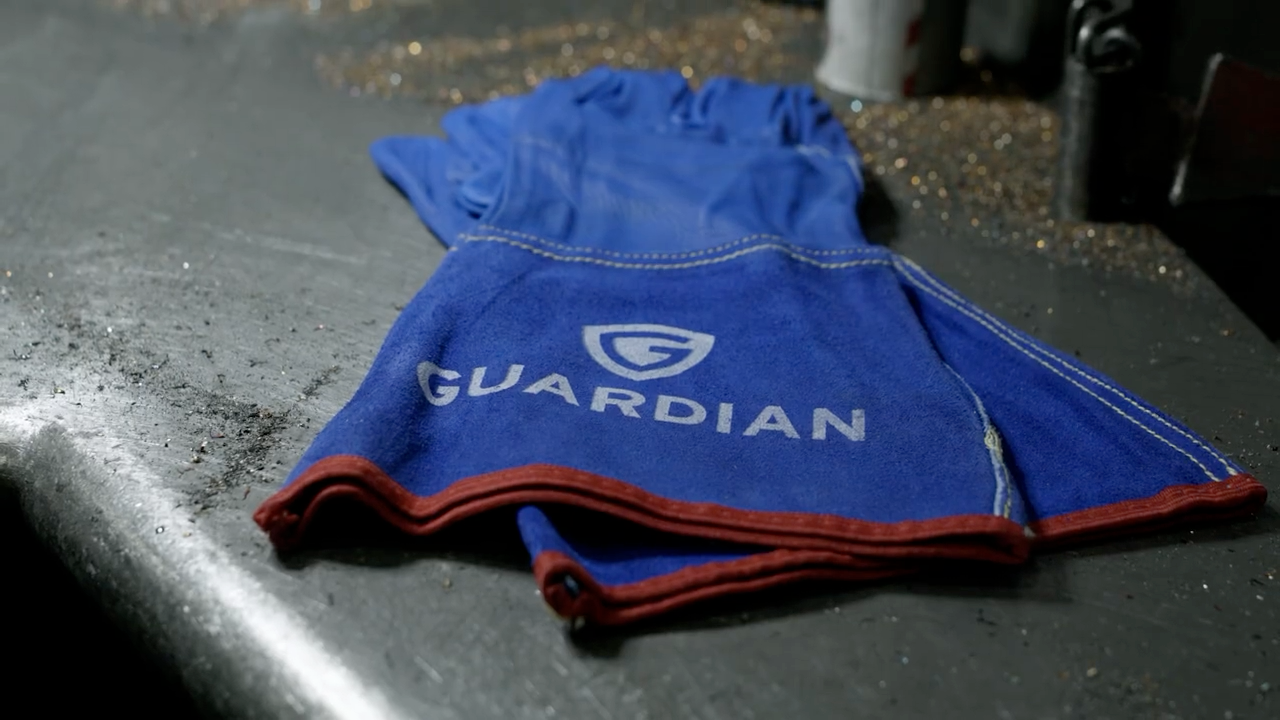

Gloves can protect hands from sharp stock, but they can also catch in a moving bandsaw. The right choice starts with the job: handling material, feeding a cut and changing a blade create different hazards. This guide explains the glove question first, then covers the other PPE bandsaw operators may need.
Should I wear gloves when using a bandsaw?
Follow the requirement established for the exact machine and task, using the manufacturer's instructions and the site's hazard assessment. Gloves can protect against cuts from stock, sharp stationary blades or other handling hazards. They can also catch in moving machinery and draw a hand toward the hazard.
This is why “always wear gloves” and “never wear gloves” are both incomplete instructions for an entire workplace. Loading sharp-edged material, feeding it through a moving blade, changing an isolated blade and cleaning with chemicals are different exposures. The approved procedure should distinguish them rather than leaving operators to choose at the machine.
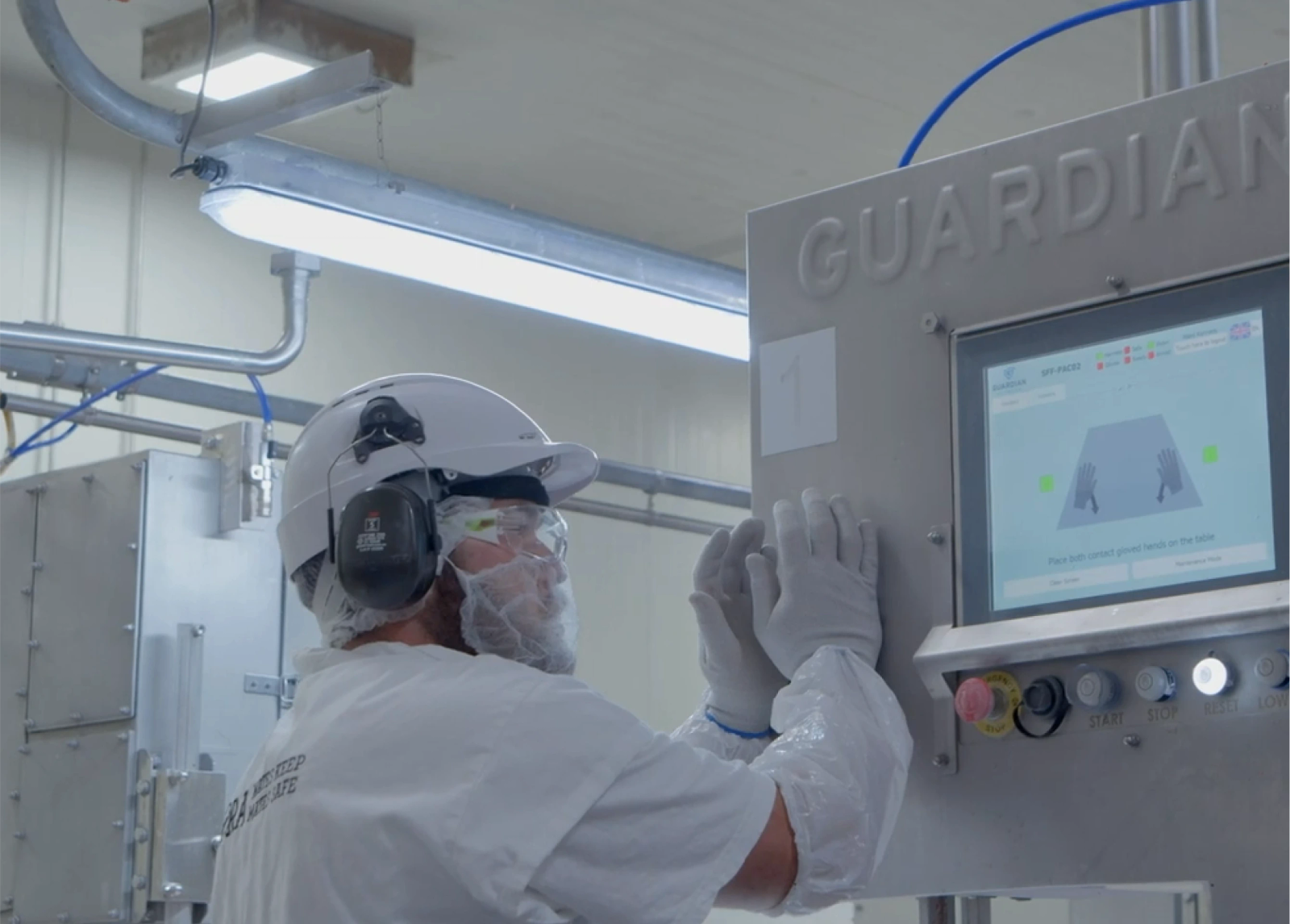
In woodworking, CCOHS guidance distinguishes hand protection for handling material from the risk of gloves catching in machinery. Meat-processing and industrial tasks may have different requirements, including manufacturer-specified gloves for a detection system. The industry label alone does not establish the right glove rule for every saw.
If a site's general glove policy conflicts with the machine manual, stop and have the responsible person resolve the conflict before operating. Do not simply choose the instruction that appears more protective. The resolution may require a different feed method, workholding, PPE specification or equipment.
Bandsaw PPE at a glance
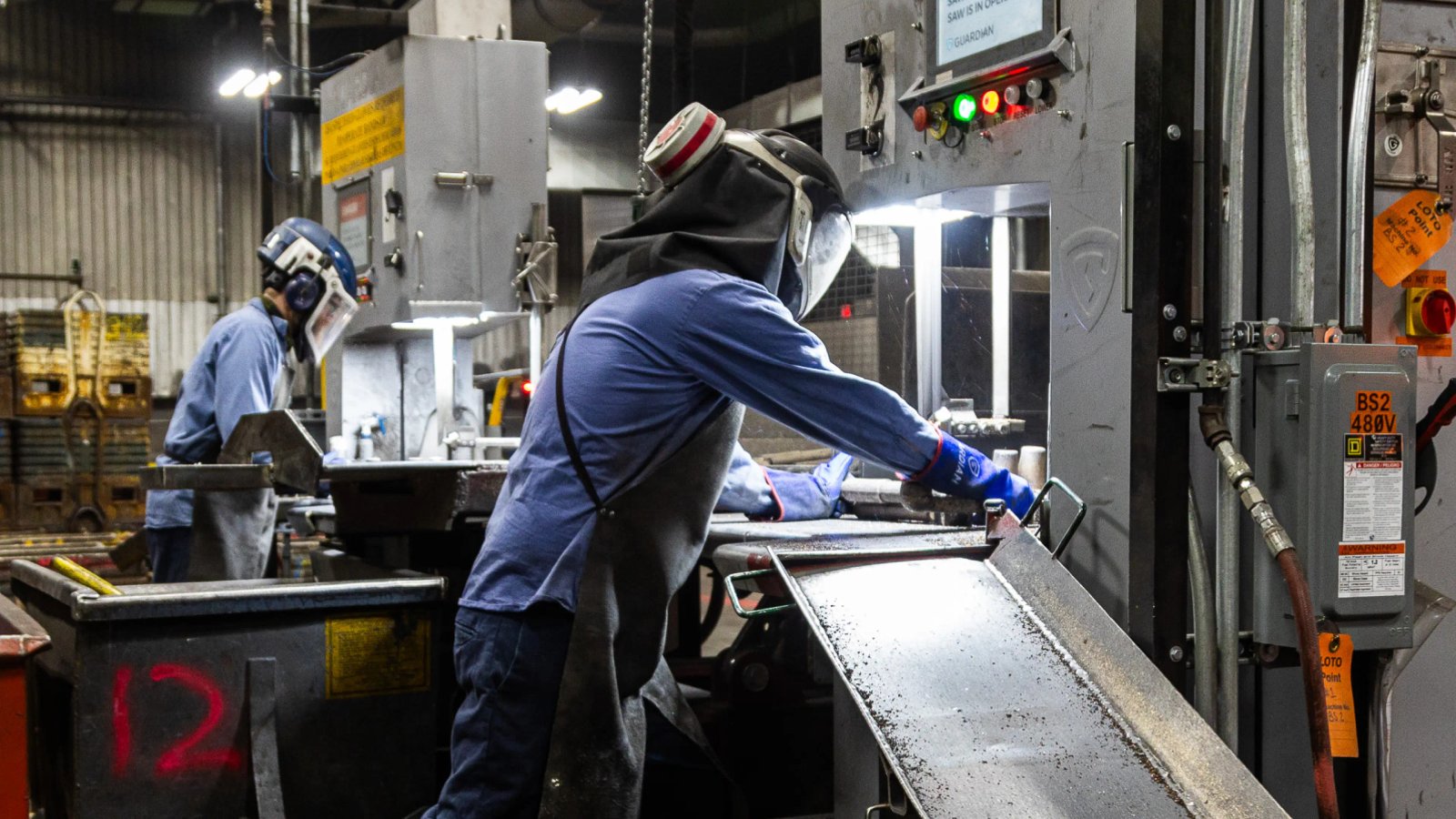
- Eye protection: wear the safety glasses or goggles specified for the cutting and handling hazards.
- Face protection: add a suitable face shield where the assessment requires it; it does not replace primary eye protection.
- Hearing protection: use the protection selected for the assessed noise exposure and the site program.
- Protective footwear: select for the actual risks, including dropped stock and the floor conditions.
- Respiratory protection: where required, use it under the site's respiratory protection program alongside appropriate exposure controls.
- Gloves: follow the task- and machine-specific requirement; do not assume that cut resistance makes a glove safe near a moving blade.
Clothing and hair control are part of preparation even though they are not all PPE. Secure hair and loose clothing and remove jewelry or other items that could catch. PPE supplements effective guarding and a controlled method; it does not make an unsafe cut acceptable.
What cut-resistant gloves can and cannot do
“Cut-resistant” describes performance under specified test conditions. It is not a promise that a glove can withstand contact with a powered bandsaw blade. The moving blade, the way a glove can catch and the forces involved are different from an ordinary sharp-edge handling task.
A snug fit may be part of a required glove specification, but it does not remove entanglement risk. Loose material, damage, contamination or a poorly chosen cuff can make a glove unsuitable; correcting those problems still does not establish that gloves are permitted during feeding.
Use the exact type and condition required by the approved procedure. Do not substitute a visibly similar glove for one specified by a safety-system manufacturer. When detection depends on particular PPE, the procedure needs clear inspection, replacement and fault-response instructions.
Gloves used for an isolated blade change also need careful selection. The blade can remain sharp and may store tension after electrical isolation. The person performing the task needs authorization, the correct handling method and controls for the remaining hazards, as well as suitable hand protection.
Eye and face protection
Assess what may reach the eyes or face during the actual task: chips, fragments, splashes or cleaning chemicals, for example. Use suitable, correctly fitting eye protection. Where a face shield is needed, wear it with the appropriate primary eye protection rather than treating the shield as an interchangeable replacement.
Make sure the selected equipment works together. A shield that obstructs the view of the cutting area or eyewear that repeatedly fogs can interfere with controlled work. Stop and resolve the problem with the supervisor; do not continue with protection removed or impaired visibility.
Cleaning may require different eye and face protection from cutting. Follow the approved chemical instructions and the site assessment. The machine must also be made safe for the cleaning task; PPE does not address unexpected movement.
Hearing, footwear and respiratory protection
Hearing protection should be selected from the noise assessment and used under the site's program. Do not assume that one product is suitable for every exposure. Communication and awareness of site alarms must also be considered when arranging the work.
Footwear should address the hazards actually present, such as handling heavy castings, sharp material or working on floors affected by water or process residue. Footwear alone cannot correct poor housekeeping or inadequate workpiece support.
Airborne exposures need their own assessment. Wood dust, metal-containing dust or mist and other materials do not share one universal control method. Use appropriate process and extraction controls; where respiratory protection is necessary, selection and use belong within the respiratory protection program.
For covered US workplaces, OSHA 1910.132 requires a PPE hazard assessment, selection, fit and communication of the decision. Additional standards govern particular exposures. A generic PPE list does not demonstrate that those requirements have been met.
How to protect your hands from a bandsaw
Start with the way the work is presented to the machine. Set the upper guard for the workpiece, maintain the required enclosures and use suitable feed aids. Plan the movement of both hands and the stock through the end of the cut. If the approved method cannot keep hands away while controlling the workpiece, do not attempt it.
Small or irregular pieces may need a fixture, carriage or purpose-designed push tool. Large pieces may need support and handling equipment. The solution must suit the cut and avoid creating another pinch point or a situation where a helper reaches near the blade.
There is no single finger-to-blade distance that makes all cuts safe. Use the machine-specific exclusion zone and approved method. Avoid relying on an operator to react after material slips, rotates or breaks.
A blade-stopping system can add a protective function under its specified conditions. It does not replace guarding, feed aids, training or isolation. Where a system requires approved detectable gloves, those gloves are one component of that system, not evidence that blade contact is safe.
The bandsaw safety rules put these controls into the sequence of preparation, cutting and intervention.
Make the PPE instruction usable
Write the PPE requirements by task and make the boundaries explicit. An operator should be able to tell which glove rule applies while feeding and which applies while handling material away from hazardous motion. The procedure should identify the approved equipment, its limitations and what to do when it is damaged or unavailable.
During training, ask the operator to explain the reason for each requirement. Check fit and compatibility in the working position, not just at a desk. Include contractors, cleaners and maintenance personnel whose exposure may differ from normal production.
The bandsaw safety checklist can reinforce the preparation step after it has been reviewed for the site. It cannot select PPE or resolve a conflicting instruction on its own.
For supervisors and plant managers, recurring PPE difficulties deserve investigation. Frequent glove damage, poor visibility or difficulty controlling stock can indicate a process problem. Reissuing equipment without addressing the cause may leave the same exposure in place.
Common bandsaw PPE questions
Are cut-resistant gloves blade-proof?
No. A cut-resistance rating does not establish protection against a powered bandsaw blade, and a glove can introduce an entanglement hazard. Follow the machine-specific rule and prevent contact through the approved controls.
Does a face shield replace safety glasses?
No. Where a face shield is required, use it with the suitable primary eye protection specified for the task.
Does every bandsaw operator need the same PPE?
No. Requirements depend on the machine, task, material and exposure. The employer must make and communicate the selection, including any task-specific glove rule.
Can I wear the same gloves for cutting and cleaning?
Only if the approved assessment and instructions specify them for both tasks. Cleaning chemicals, sharp edges, contamination and machine movement create different requirements. Apply the required isolation before cleaning.
Use the bandsaw safety quiz as a discussion aid after training. It is a knowledge check, not operator authorization.
General guidance for vertical bandsaws. Follow the actual machine manual, approved procedure and applicable requirements. Regulatory and CCOHS sources checked 18 September 2026.