10 bandsaw safety rules every operator should know

Bandsaw safety rules start with a controlled way to make the cut: trained operators, effective safeguards, suitable feed aids and a clear boundary between operating and intervening. Use the ten rules below as a training reminder for vertical bandsaws, then apply the instructions for your actual machine and task.
The 10 rules at a glance
- Operate only when trained and authorized for the machine and task.
- Complete the prescribed machine and work-area checks before the first cut.
- Set the upper guard and guide close to the workpiece as the manual specifies.
- Keep hands out of the cutting path throughout the cut.
- Use suitable push tools, fixtures and supports when the cut requires them.
- Feed under control; do not force the blade or an unstable workpiece.
- Stop the blade and wait for complete standstill before measuring or removing offcuts.
- Never leave a running bandsaw unattended.
- Follow the machine’s approved procedures for blade changes, cleaning and servicing.
- Report defective blades, safeguard faults and near-misses; prevent unauthorized restart.
These are general reminders, not a complete operating procedure. If the manual, training and proposed method disagree, stop and have the responsible person resolve the conflict before work starts.
1. Operate only when trained and authorized
Knowing where the start button is does not establish competence. An operator needs to understand the approved materials, the workpiece support, the feed method, the stopping controls and the conditions that require work to stop. Training should include the end of the cut, when the remaining piece becomes smaller and the position of both hands can change.
Authorization should identify the machine and tasks the person may perform. Experience on one vertical bandsaw does not automatically transfer to a different model, sliding table, fixture or safety system. A supervised practical assessment is more useful than assuming that a completed quiz proves someone can operate safely.
Training must also cover the tasks an operator is expected to perform, including the approved method for clearing jams. Blade changes, cleaning and servicing have their own procedures. If you have not been trained for the task, stop and ask your supervisor.
2. Check the machine and work area before cutting
Use the checks prescribed by the manufacturer and the approved site procedure. Do not compress them into a promised one-minute routine. A check takes the time needed to identify defects and confirm that the required controls work.
Inspect the machine with it stopped and isolated whenever the inspection exposes you to hazardous movement or energy. Check blade condition and suitability using the prescribed method; do not put a hand into the cutting zone simply because the machine appears quiet. Look for damaged guards, missing feed aids, loose items and signs that the machine needs attention.
The work area matters too. A workpiece must have room to travel through the complete cut without striking stored material or another person. Lighting must let the operator see the cutting area without glare. Footing, access to controls and suitable support for long or heavy pieces must be ready before starting.
Functional tests are different from visual inspections. Test an emergency stop, interlock or blade-stopping system only by the manufacturer's controlled test method, with people clear and any specified test aid. Never test detection by moving a body part toward the blade.
For a printable reminder to use alongside the actual machine checks, use the bandsaw safety checklist.
3. Set the upper guard and guide for the workpiece
The upper assembly helps limit the blade exposed above the material. Its correct setting depends on the machine and the cut. Follow the manual and expose only the blade needed for the workpiece; do not leave the assembly raised for convenience between different jobs.
A blade guide and a blade guard have different functions even when they move together. The guide supports the blade; the guard restricts access. Confirm that both are correctly positioned and that the fixed wheel and return-blade enclosures are also fitted and secure.
Adjust with the machine stopped and use isolation where the manual or exposure requires it. If a fixture, unusually shaped workpiece or change in height prevents correct guarding, do not improvise by removing the guard. Have the task reviewed and a suitable method established.
4. Keep both hands out of the cutting path
Before feeding, think through where the workpiece, the offcut and both hands will be at the end of the cut. A position that appears controlled at the start may become unsafe as the stock separates. Avoid a feed method where a slip would carry a hand toward the cutting edge.
Do not reach across the blade, hold an offcut beside it or rely on reacting quickly if the workpiece shifts. A fixed hand position described in a general article cannot account for every fixture or material. The approved method must define how to keep hands away while retaining control of the workpiece.
How far should your fingers be from the blade?
Keep fingers outside the exclusion zone specified for the machine and task, using approved feed aids whenever needed; there is no single distance that makes every bandsaw cut safe.
A rule such as “one hand's width” is not a substitute for that assessment. The workpiece can rotate, break, slip or pull the operator's hand forward. Clearance, guarding and workholding need to work together.
5. Use suitable push tools, fixtures and supports
Small, short, round or irregular pieces can be difficult to control directly. Use the push device, jig, carriage, clamp or other arrangement approved for the particular machine and cut. A makeshift stick is not automatically a suitable feed tool, and a fixture that introduces a pinch point can create another hazard.
Check that the feed aid can complete the cut without bringing hands into the exclusion zone. Plan support for the separated part as well as the part being fed. If the permitted setup cannot control the workpiece, stop and choose a different approved method or process.
Large workpieces need support too. Improvised lifting or asking another person to catch stock near the blade can disrupt feeding. The procedure should define any assistance, communication and handling equipment before the machine starts.
6. Let the blade cut at the prescribed feed rate
Excessive force can make a workpiece harder to control and can indicate a dull blade, unsuitable tooth pitch or an incorrect setup. Do not compensate by pushing harder. Stop for unusual sound, vibration, tracking problems, binding or unexpected movement.
Blade width, tooth pitch, speed and feed rate must suit the machine, material and section being cut. The commonly repeated three-tooth rule is not a universal setup instruction for every bandsaw application. Use the blade and machine suppliers' specifications and the approved task settings.
Do not twist a trapped workpiece or try to pull it free while the blade is moving. Wait for the blade to stop completely, then follow the machine’s approved jam-clearing procedure. Restart only when the problem is resolved and the machine is ready for service.
7. Stop before measuring or removing offcuts
Switching off does not mean the blade has stopped. Wait for complete standstill and keep clear of the danger zone while the machine runs down. Never try to slow a blade by pressing stock or another object against it.
Remove offcuts and waste using the approved tools and method after the blade has stopped completely. For trapped material, follow the machine’s approved jam-clearing procedure. If no procedure covers the situation, stop and ask your supervisor; do not improvise.
Measuring and checking a cut must also have a defined safe point in the sequence. Production pressure does not justify making a quick adjustment beside a moving blade. If inspection is repeatedly awkward, review the process and workholding rather than expecting operators to improvise.
8. Never leave a running bandsaw unattended
Remain at the operating position and keep attention on the task. Stop before leaving, responding to a distraction or handing over the machine, and wait for all movement to cease. Make sure the next operator knows about any fault or change in setup.
Supervisors can support this rule by providing a clear way to interrupt work. An operator should not have to choose between watching the blade and answering a question. If fatigue, poor visibility or loss of concentration prevents controlled operation, stop and address the condition.
9. Follow the procedure for blade changes, cleaning and servicing
Follow the manufacturer’s instructions and the site-approved procedure for the specific machine and task. For a blade change, use the blade-change procedure. For cleaning or servicing, use the corresponding procedure and its specified safeguards and energy controls. Do not bypass guards or interlocks.
LOTO applies where required to control hazardous energy. Under OSHA’s hazardous-energy standard, qualifying minor servicing during normal production may use alternative measures that provide effective protection. The task must be routine, repetitive and integral to production. Site management must establish whether that exception applies and document the protective method; an operator should not make that decision at the machine.
A stopped blade and isolated energy are different conditions. Do not assume that pressing stop permits every intervention or that every bandsaw can have its blade changed with power on. Follow the safeguards and energy controls specified in the approved procedure. Cleaning instructions must also cover sharp edges, tools, chemicals, PPE and sanitation requirements.
10. Report defects and near-misses
Stop using equipment with a missing safeguard, failed safety check or unresolved defect. Notify the responsible person and use the site's process for preventing unauthorized restart. Record what happened clearly enough for the person investigating to understand the machine, task and conditions.
A near-miss can expose a weakness before somebody is hurt: an unstable workpiece, a feed aid that cannot complete the cut, or a guard that repeatedly obstructs the permitted job. Investigate the method and equipment as well as operator actions. Repeating “be careful” does not correct an unsuitable setup.
For plant managers, this reporting process also helps maintenance planning. Repeated binding, damaged blades or recurring safety-system faults are reasons to investigate the process, not simply to replace a part and resume the same work.
Common bandsaw safety questions
Should I wear gloves when using a bandsaw?
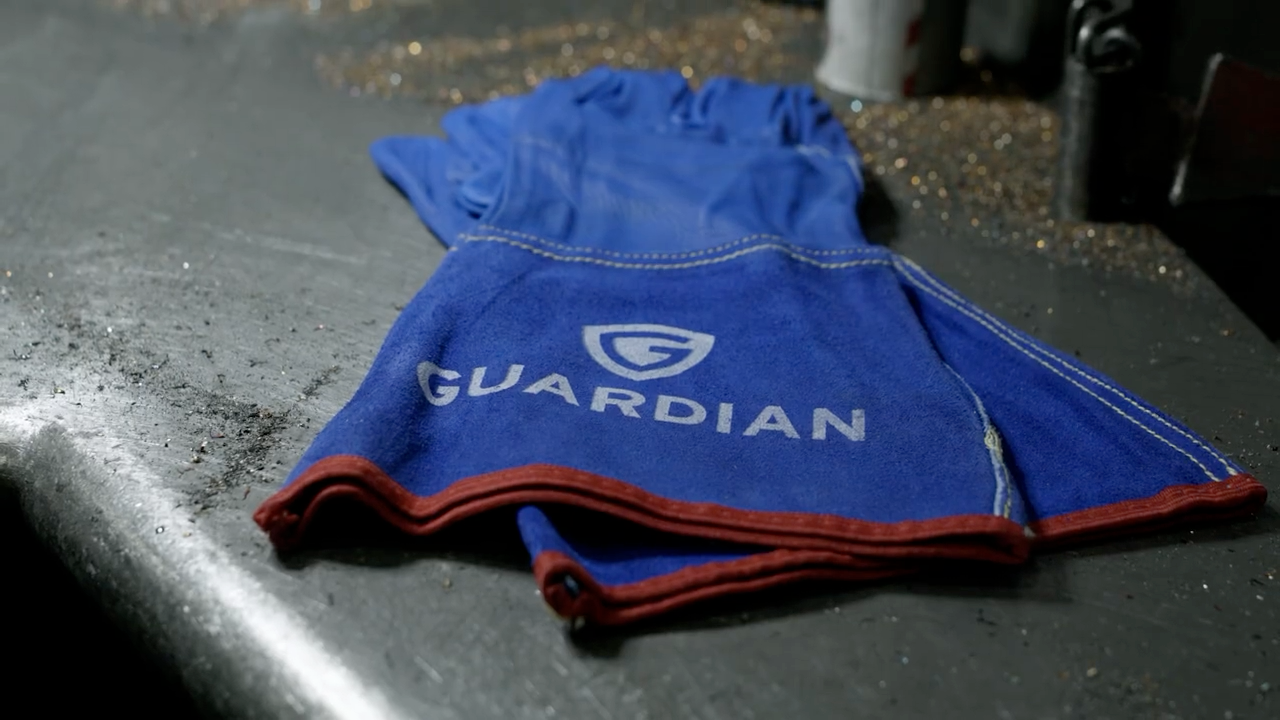
Follow the machine-specific requirement for the task. Gloves may protect against handling hazards but can also catch in moving machinery. Snug fit does not eliminate that risk, and cut-resistant gloves do not make blade contact safe. Resolve conflicting instructions before operating.
The bandsaw PPE guide explains the distinction between cutting, material handling and work on an isolated machine.
Can a guard prevent every injury?
No safeguard should be treated as a guarantee. Guards reduce access to hazardous parts, but the complete task still needs appropriate workholding, feeding, training and maintenance. A blade-stopping system, where fitted, does not authorize bypassing those controls.
What should I do in an emergency?
Raise the alarm and summon emergency assistance immediately. Use the emergency stop if safe to do so, stay clear of the hazard and follow the site emergency plan. Do not attempt an improvised rescue or delay calling for help while arranging isolation.
Is passing a quiz enough to operate?
No. A knowledge check can support training, but authorization should follow practical assessment on the actual machine and tasks. Use the bandsaw safety quiz to identify topics that need discussion with the trainer.
Use the bandsaw safety poster as a short visual reminder after reviewing it for the site.
General guidance for vertical bandsaws; it does not replace the machine manual, task assessment, training, approved procedure or applicable law. Reviewed against the cited sources on 30 September 2026. Woodworking-specific reference: CCOHS guidance.